
Anti-bullying · Teamwork · Leadership
A school where kindness is taught on purpose.
Bullying grows where children are anonymous and adults are far away. A small Montessori classroom is built the other way round: every child is known by name, adults are always close, and how to treat one another is something we teach every day, not something we hope children pick up.
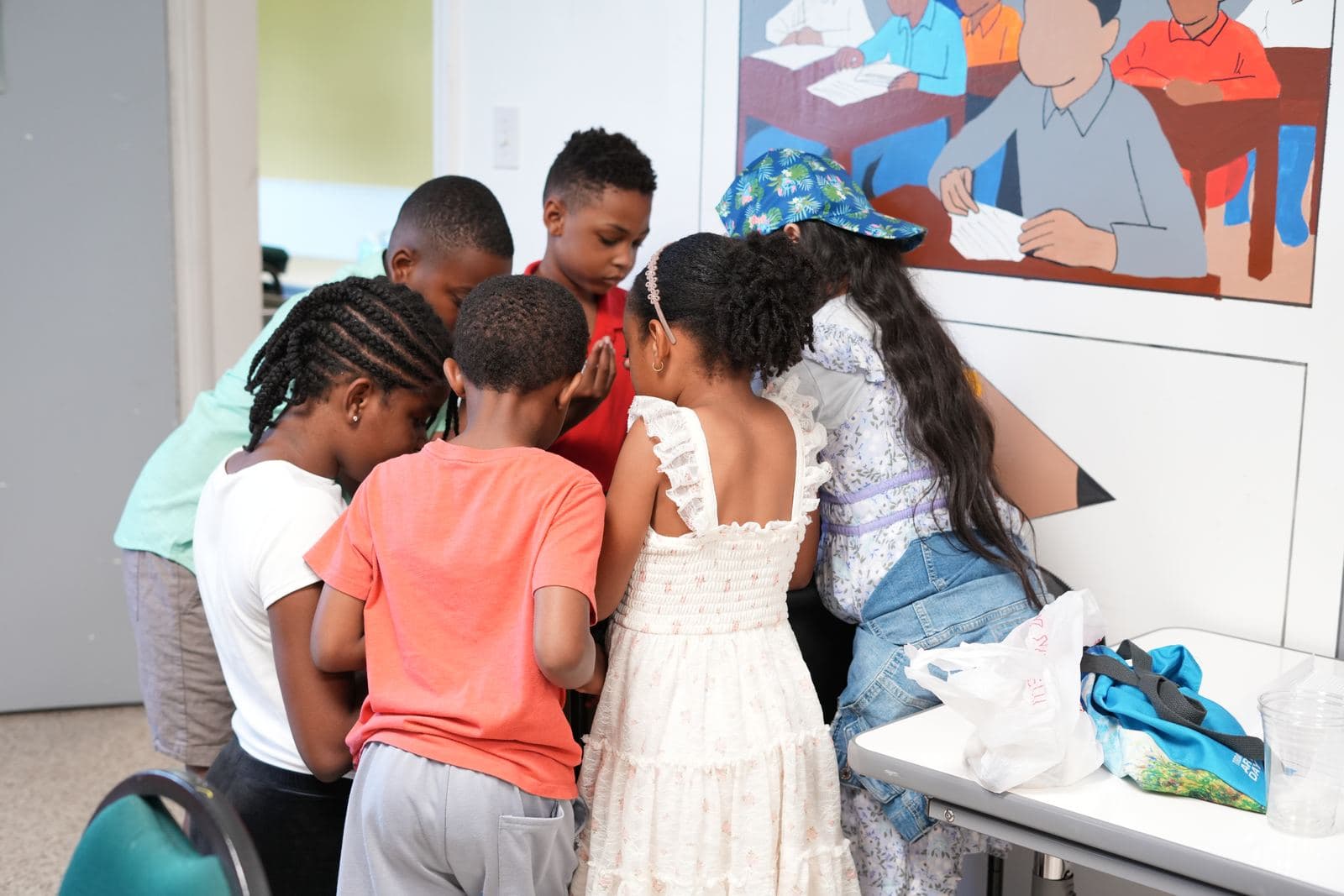
Anti-bullying
How we keep bullying out of the classroom
Prevention does most of the work. These are things that are true about our school every day, not a program we run once a year.
Small rooms, adults close by
Twelve children to a teacher. There is no corner of the day where a child is out of sight of a caring adult who knows them.
Grace and courtesy, taught directly
Montessori classrooms teach social skills the way they teach reading: how to greet someone, wait your turn, disagree politely, say sorry and mean it.
Every child made in God's image
Our faith gives children a reason to treat each other well that goes deeper than a rule. Character is formed here, not just enforced.
Problems are talked through
When children clash, an adult helps them name what happened, listen to each other and put it right. The goal is a repaired friendship, not just a punishment.
Teamwork & group work
Children learn to work together
Much of the Montessori day is collaborative. Children work in pairs and small groups, share materials, and learn that a good idea gets better when someone else adds to it.
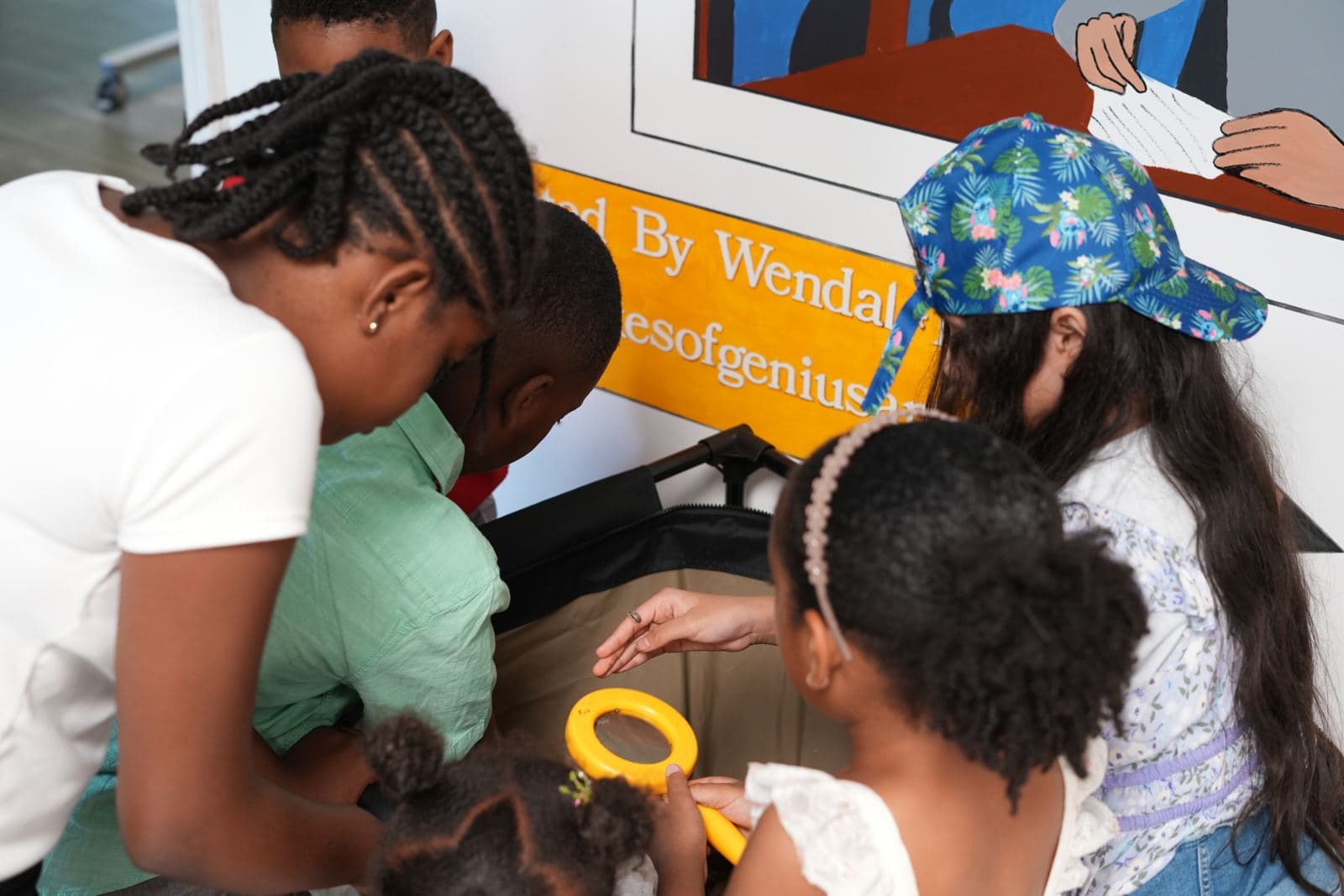
Group investigations
Our Research Institute of Planet Earth runs on guiding questions that small teams explore together, record in their notebooks and present to the class.
Sharing the room
There is one of each material, so children learn to wait, take turns, ask to join and invite others in. Those are the everyday skills of a good teammate.
Movement and play
Physical education builds teamwork, perseverance and good sportsmanship, so children learn to win kindly and lose well.
Leadership
Every child gets the chance to lead
Mixed-age classrooms make leadership ordinary. A child who was helped last year is the one helping this year.
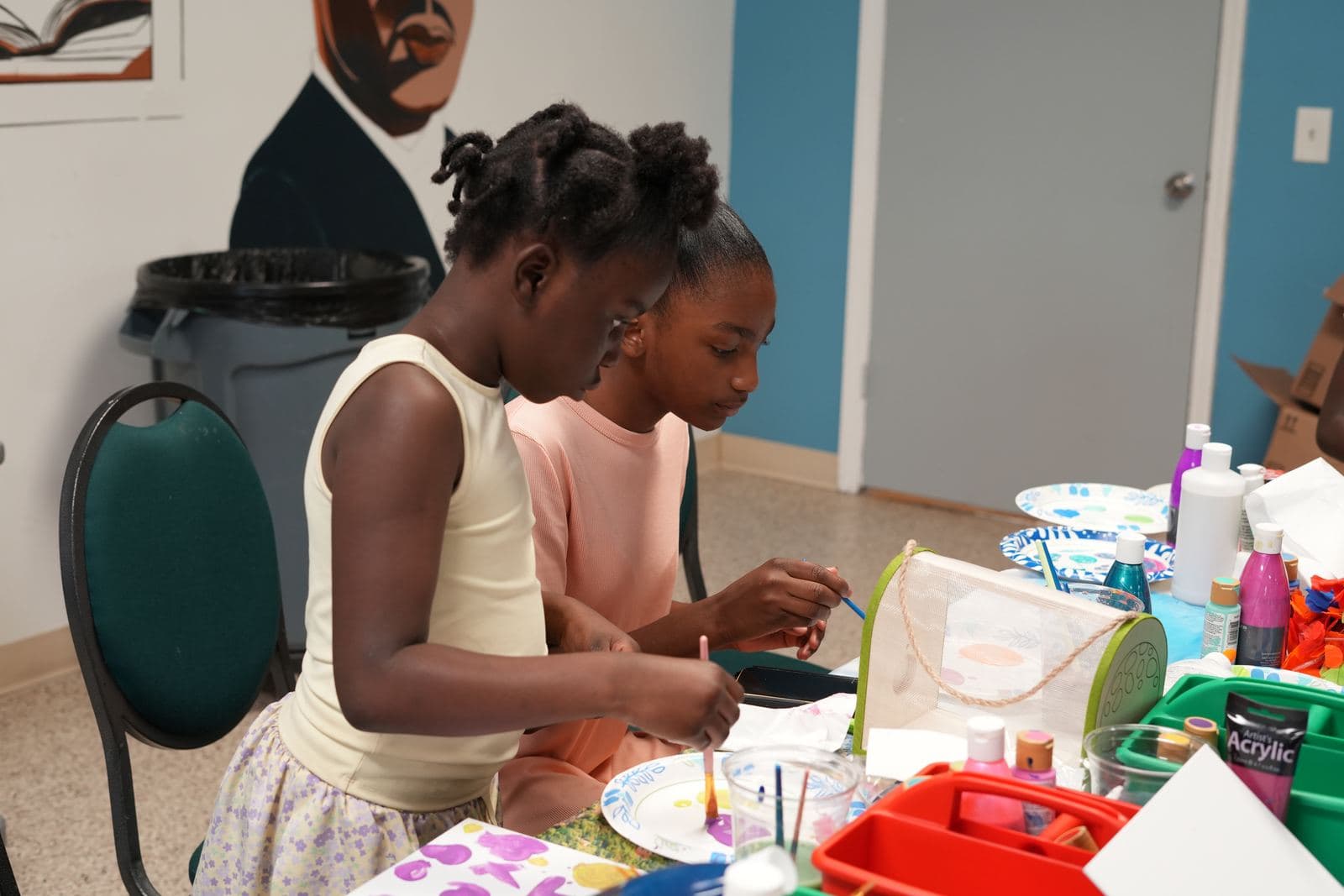
Older students teach younger ones
Explaining a lesson to a younger classmate is one of the best ways to master it, and it teaches patience and responsibility at the same time.
Care of the classroom
Children take real responsibility for their shared space: preparing materials, tidying, caring for plants and welcoming visitors.
Their voice matters
Students are encouraged to share ideas, speak in front of the class and help shape how the community works.
Questions Parents Ask
- What should I do if I think my child is being bullied?
- Tell your child's teacher or call the school office. Every concern is listened to and followed up, and we will keep you informed about what we are doing.
- How does a Montessori classroom help prevent bullying?
- Small, mixed-age classes mean every child is known and adults are always close by. Grace and courtesy lessons teach children how to treat each other, and older students are given responsibility for looking out for younger ones.
- Will my child work in groups or alone?
- Both. Children have time for focused individual work and also work in pairs and small groups on projects, investigations and shared materials.
Come and see it for yourself.
The best way to judge a classroom is to stand in it. Call us with any question, or start an application today.
More about life at SWREA
English & Spanish
Spanish is part of every day, in morning meeting, stories and the calendar, not a once-a-week class. Children from English-speaking homes pick it up naturally, Spanish-speaking children grow their English, and families can talk to us in either language.
Transportation
SWREA has partnered with a local student transportation organization that can help get your child to and from school. If drop-off or pick-up is the hard part, call the office and we will walk you through it.
Christian Montessori
Hands-on materials, mixed-age classrooms and an uninterrupted morning work cycle, with Christ at the center. Families in Kissimmee rarely get to choose both.