
Academics · K-5
What your child learns at SWREA, kindergarten to 5th grade
Three mixed-age classrooms, one long, connected year.
Children learn in mixed-age bands: kindergarten and 1st grade, 2nd and 3rd, and 4th and 5th. Within each band every child works at their own level, with lessons stepped up or down as they need. Here is what each band covers across the year.
Grades K-1
Kindergarten and 1st grade
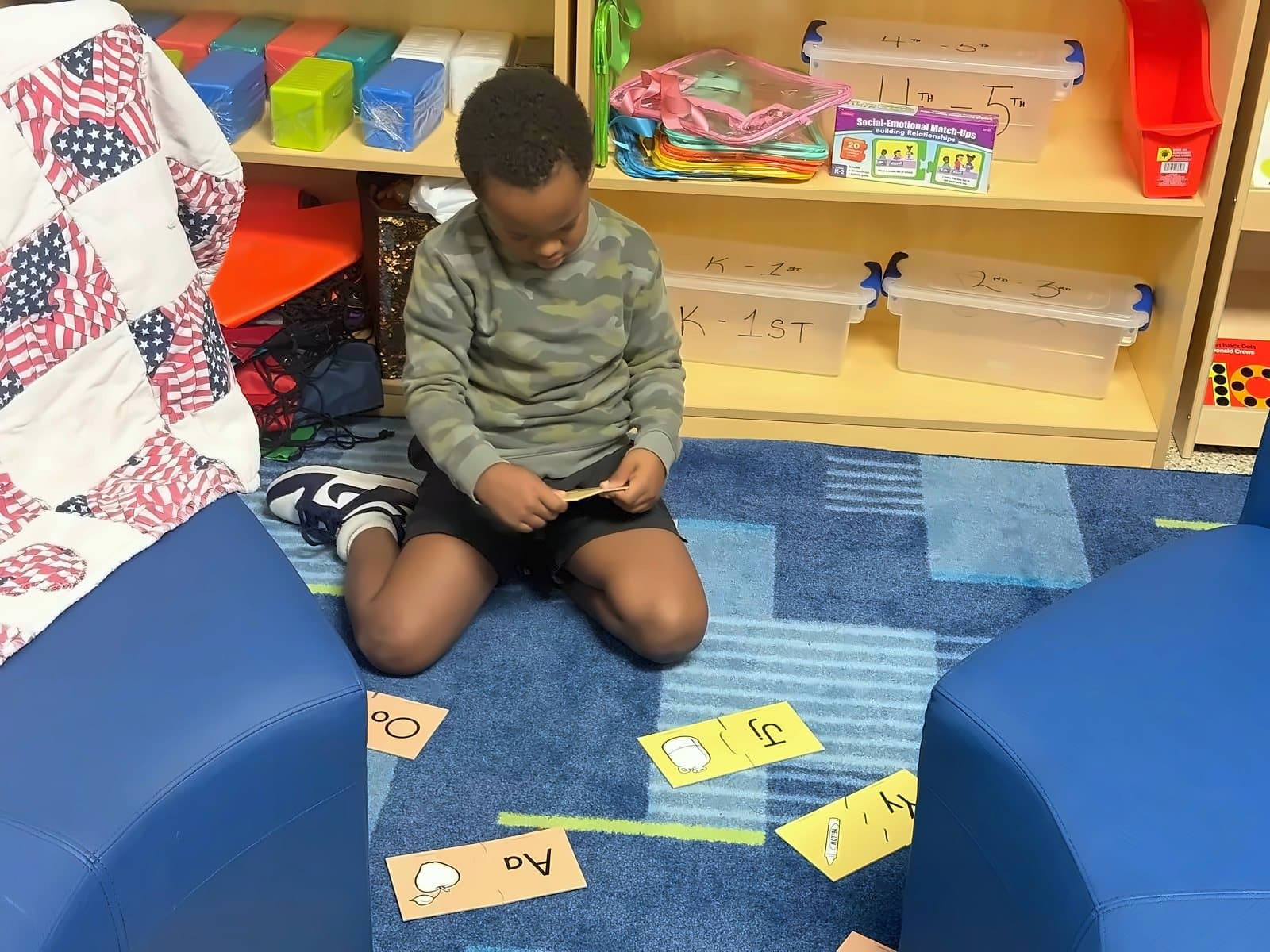
Strong foundations in reading, writing and number, learned with hands, voices and movement, and a first look at the wider world.
Signature project
The class store and restaurant
The year ends with children running their own store or restaurant: setting prices, making ads, writing receipts and giving change.
Reading
- Phonics from the first day: hearing and blending every sound in a word
- Alphabetical order, word endings and weekly spelling
- Finding the main idea in stories, fables and poems
- A reading log and a class word wall to celebrate new words
Writing
- Pencil grip and neat handwriting, with support for little hands
- Writing complete sentences and learning the parts of speech
- Journals, simple poems and paragraphs, in English and Spanish
- Writing their own home address, the days, months and seasons
Math
- Counting and patterns to 20, then 120, then 1,000 by place value
- Comparing numbers: greater than, less than, equal
- Flat and solid shapes, measuring, and telling time
- Coins, making change and a first taste of probability
Science
- What good scientists do, and scientists of color who changed the world
- The plant kingdom, from mosses and ferns to flowering plants
- Animals with backbones, and living versus nonliving things
- Caring for the class garden and its small creatures
Social studies
- Community, state, nation and world, starting with a map of our school
- Rules at school and at home, and why they matter
- African American history in Florida
Grades 2-3
2nd and 3rd grade
The years reading takes off. Children move from learning to read to reading to learn, and start writing and investigating like experts.
Signature project
Art show and business plan
Children measure and build pieces for a class art show, and write a real business plan for a store or restaurant of their own.
Reading
- Longer books, read with growing independence
- Nonfiction and fiction book clubs
- Poetry, and presenting a favorite book to the class
Writing
- Personal narratives, revised until they shine
- How-to writing and fiction stories, in English or Spanish
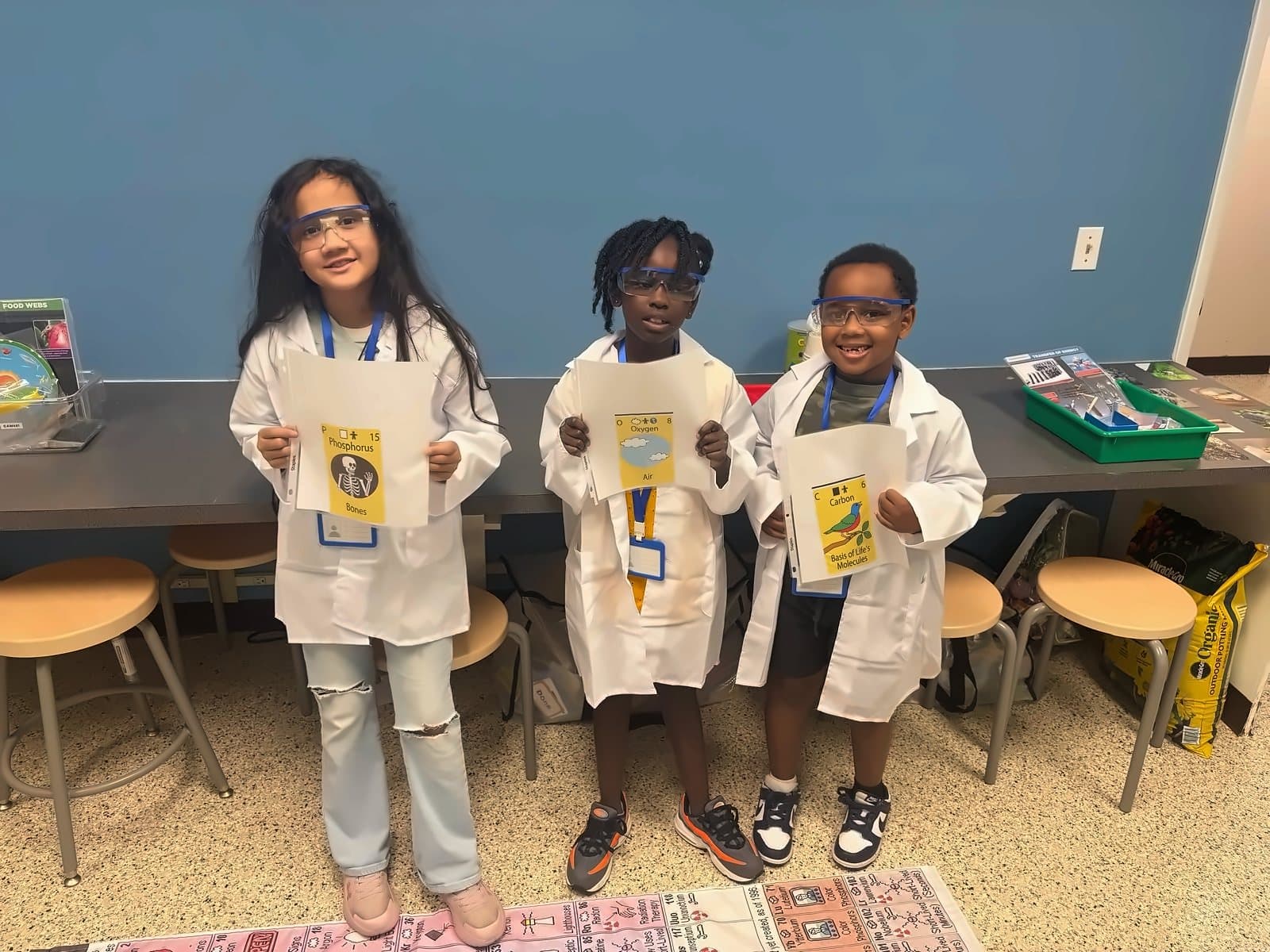
- Science lab reports from real experiments
- Their own poems, songs and plays
Math
- Numbers, coins and combinations to 1,000
- Story problems and mental math strategies
- Fractions as parts of a whole and parts of a group
- Measuring, time lines, length and patterns
Science
- How scientists work, and famous scientists of color
- Chemistry all around us, and a first look at the periodic table
- Long investigations in the Research Institute of Planet Earth
Social studies
- Our community, and the tools historians use
- Florida and world history over time
- African American resilience in Florida
- Rights, rules and responsibilities: proposing a law to a local official
Grades 4-5
4th and 5th grade
Upper elementary: deeper reading and discussion, formal writing, bigger numbers and real scientific tools, with leadership in the classroom.
Signature project
The Best of Me
Each child builds a portfolio of their strongest work across the year and presents it, alongside a community service project they choose and lead.
Reading
- Structured discussion of great stories, with rules for speaking and listening
- Nonfiction, short stories and poetry, read closely
- A reader's-choice book club
- Thinking aloud to show how good readers make sense of a text
Writing
- Cursive handwriting, including reading historic documents in cursive
- Simple and compound sentences, and sentence diagramming
- Persuasive essays, plays, dialogues and alternative endings
- A year-end portfolio of their best work
Math
- Place value to one million
- Multiplying and dividing whole numbers and money
- Fractions, ratios and percents
- A real budget for a business plan
Science
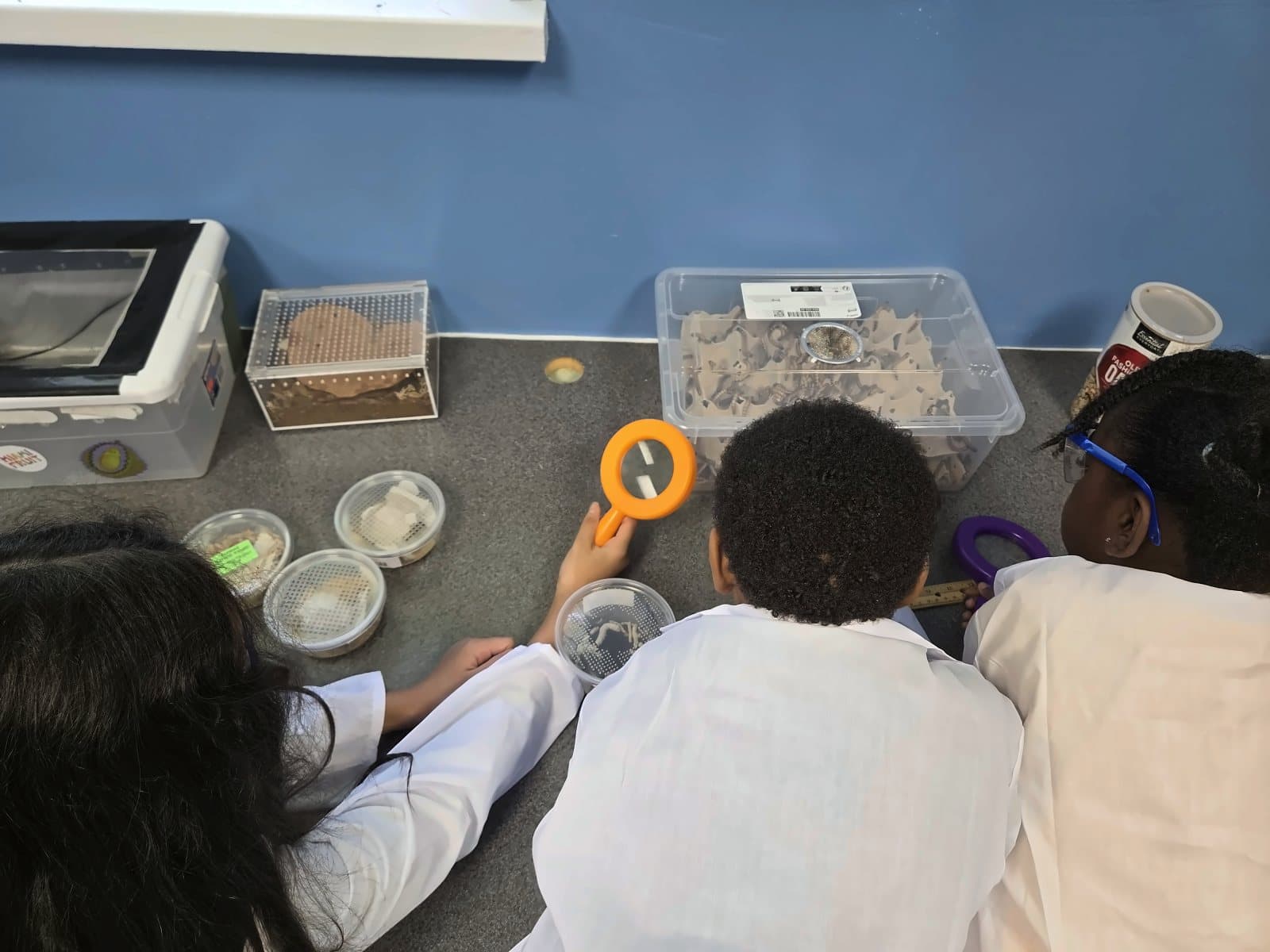
- Using microscopes, balances and metric measurement
- Greek and Latin roots in scientific words
- Matter, energy and heat; Earth's land and water systems
- Weather and technology in the Research Institute
Social studies
- Maps, compasses, grid references and time zones
- Primary and secondary sources
- African American history in Florida
- Civil rights, citizenship, and a community service project they lead
In every classroom
Part of every day, at every age.
Spanish woven through the day
Greetings, the calendar, songs, stories, holidays and birthdays happen in Spanish and English. Older children write and present in either language.
A garden and classroom animals
Early arrivals tend the garden and care for the class's insects and other small creatures. Animal care and botany are daily choices.
Movement and the arts
Yoga and stretching, art, music, theatre, speech and obstacle courses, plus a soccer elective that builds skill and confidence.
Practical life
Children set the table, serve lunch and clean up together: sweeping, sanitizing and putting chairs away.
Progress
How you will know how your child is doing.
A weekly rhythm
Mondays and Thursdays are book-choice and research days, when books come home. Wednesdays are for projects and children reviewing their own work.
Goals they set themselves
Children write their own goals for the day, week or semester, and check their progress.
Regular check-ins
Teachers observe each child closely and check progress with quizzes along the way, so nothing slips by unnoticed.
Work they present
Book presentations, science lab reports, research projects and year-end presentations show what a child has learned, not only a test score.
Questions Parents Ask
- What will my child learn in kindergarten at SWREA?
- Kindergarten and 1st grade learn together. Children build phonics and reading from the first day, write complete sentences, count and work with place value to 1,000, explore plants, animals and maps, and study African American history in Florida, in English and Spanish.
- Are classes grouped by grade?
- Children learn in mixed-age bands: kindergarten and 1st grade, 2nd and 3rd, and 4th and 5th. Each child works at their own level within the band, so a child who is ready moves ahead and a child who needs more time gets it.
- How will I know how my child is doing?
- Teachers observe each child closely and check progress regularly. Children also set their own goals and present what they have learned through book presentations, lab reports, research projects and a year-end portfolio. Your child's teacher is always glad to talk.
- Is there testing?
- Yes, in a low-pressure way. Teachers check progress with quizzes and observation, and test-taking skills are taught as part of lessons so children are comfortable with them.